
Discover the five most effective digital marketing strategies helping small businesses grow their online presence, attract customers, and compete with bigger brands in 2025.
Introduction
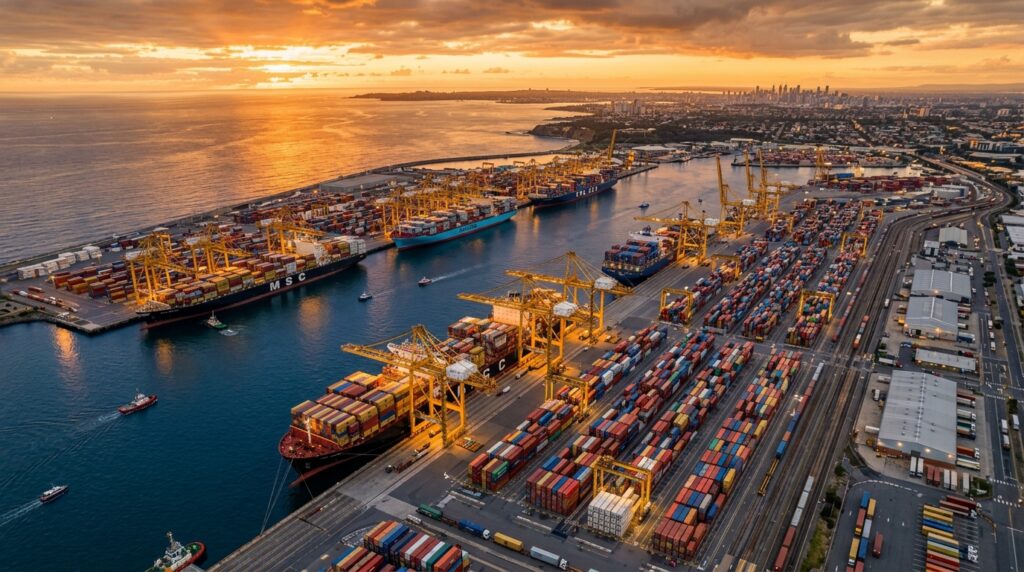
International trade opens doors that domestic markets simply cannot. Access to new customers, better-priced suppliers, and broader product ranges are just some of the reasons businesses of all sizes are venturing into import and export.
But for those doing it for the first time, the process can seem daunting. Customs regulations, shipping logistics, trade documentation — the moving parts are many. This guide is designed to give you a clear, practical overview of what to expect and how to navigate it successfully.
Understanding the Basics
At its core, importing means bringing goods into your country from abroad, while exporting means sending your goods to customers or buyers in other countries. Both activities are governed by a framework of regulations, tariffs, and documentation requirements that vary depending on the countries involved and the type of goods being traded.
Key Documents You Will Need
Regardless of what you are trading or where, certain documents are almost universally required:
1. Commercial Invoice — A detailed bill from the seller to the buyer, describing the goods and their value.
2. Packing List — An itemised list of the contents of a shipment, used by customs officers to verify goods.
3. Bill of Lading or Airway Bill — A contract between the shipper and the carrier, confirming the goods have been received for transport.
4. Certificate of Origin — A document confirming where the goods were produced, which can affect tariff rates.
5. Customs Declaration — A formal statement of the contents and value of goods crossing a border, required by customs authorities.
Having these documents in order before your shipment moves is essential. Missing or incorrect paperwork is one of the most common causes of delays and additional costs.
Understanding Tariffs and Duties
When goods cross international borders, they are often subject to tariffs — taxes imposed by governments on imported or exported products. The rate depends on the type of goods (identified by a commodity code) and the trade agreements in place between countries.
It is important to research the applicable tariff rates for your specific products before committing to a trade deal, as duties can significantly affect your profit margins.
Choosing the Right Logistics Partner
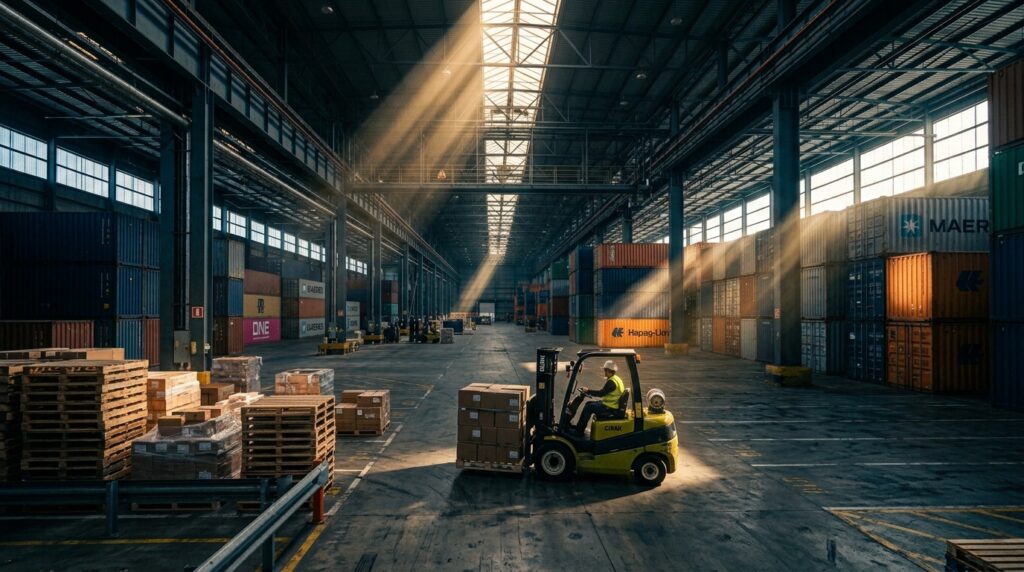
How your goods are transported — by sea, air, road, or rail — depends on factors like cost, speed, and the nature of the goods. Sea freight is the most cost-effective for large, heavy shipments but takes longer. Air freight is faster but more expensive, making it suited to high-value or time-sensitive goods.
A reliable freight forwarder or logistics partner is invaluable here. They handle the practical side of getting your goods from A to B, including carrier booking, documentation, and customs coordination.
Common Mistakes to Avoid
- Underestimating the importance of correct documentation
- Failing to research tariffs and duties before agreeing on pricing
- Choosing a logistics partner based on cost alone without considering reliability
- Not building enough lead time into your supply chain for customs clearance
- Overlooking currency exchange risk when pricing international deals
How Jozill Global Can Help
Navigating international trade is far easier with an experienced partner by your side. At Jozill Global, we manage the entire import and export process — from sourcing and documentation to logistics and customs clearance — so you can focus on your business rather than the paperwork.
Get in touch today to discuss your import or export requirements.
