
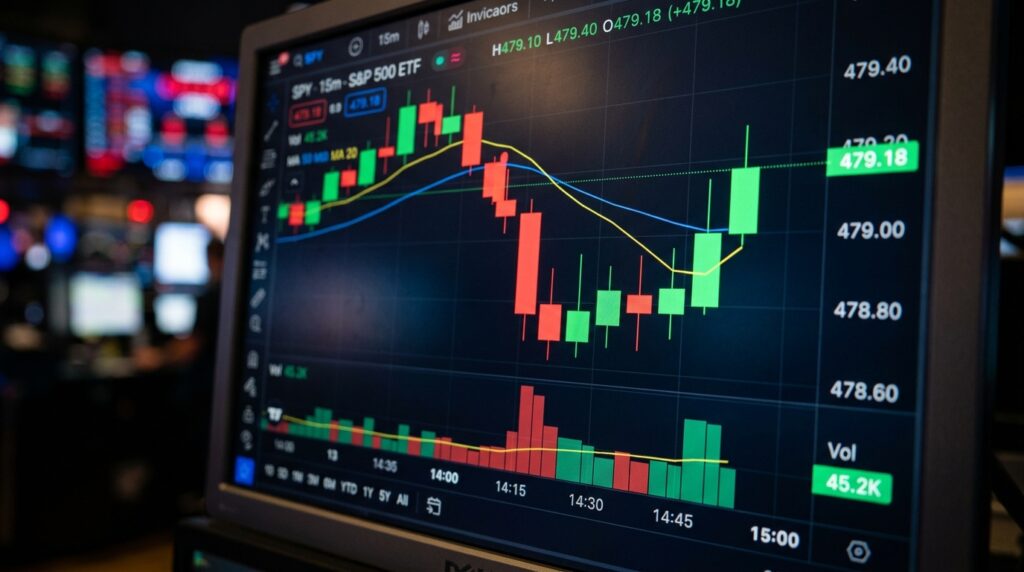
Thinking about getting into online trading? Before you invest a single penny, read this honest beginner’s guide to understanding the markets, managing risk, and starting smart.
Introduction
Online trading has never been more accessible. With just a smartphone and an internet connection, anyone can participate in global financial markets. But accessibility does not equal simplicity — and the ease of getting started can mask the very real complexity and risk involved.
This guide is designed to give beginners an honest, practical overview of what online trading involves and how to approach it with the right mindset from day one.
What Is Online Trading?
Online trading involves buying and selling financial instruments — such as currencies, stocks, commodities, or indices — through digital platforms. The goal is to generate a profit from the price movements of these instruments.
Markets operate across the globe and, depending on the asset class, can be active virtually around the clock. This creates opportunities at almost any time of day but also requires discipline and a clear strategy to navigate effectively.
Understanding the Risks
Before anything else, it is essential to understand that trading carries risk. Prices can move against you, and it is possible to lose more than your initial investment in certain products, particularly those involving leverage.
Anyone who tells you online trading is a guaranteed path to quick profits is not telling you the truth. Sustainable trading success comes from knowledge, strategy, patience, and disciplined risk management — not luck.
Key Principles for Beginners
Start with education, not capital. Before you open a live trading account, invest time in understanding how markets work, what influences price movements, and the mechanics of the specific instruments you want to trade. There is a wealth of free and paid educational material available — use it.
Use a demo account first. Most trading platforms offer demo accounts that allow you to practice with virtual money in real market conditions. Spend time here before risking real capital. It is the closest thing to a risk-free environment you will find.
Never risk more than you can afford to lose. This is the golden rule of trading. Only allocate capital to trading that you could genuinely afford to lose entirely. Emotional decision-making — driven by fear of losing money you cannot afford — is one of the primary causes of poor trading outcomes.
Develop a strategy and stick to it. Successful traders operate according to clear, pre-defined rules. They know exactly what conditions need to be present before they enter a trade, where they will take profit, and where they will cut losses. Consistency and discipline are far more valuable than trying to predict every market move.
Keep records of every trade. A trading journal — logging your entries, exits, reasoning, and outcomes — is one of the most powerful tools available to any trader. It allows you to identify patterns in your behaviour, learn from mistakes, and continuously improve your approach.
How Professional Guidance Can Help
Working with an experienced trading advisor can significantly shorten the learning curve and help you avoid the costly mistakes that most beginners make on their own. At Jozill Global, we provide trading consultation and advisory services for beginners and experienced traders alike.
Book a free consultation to discuss your trading goals with our team.
